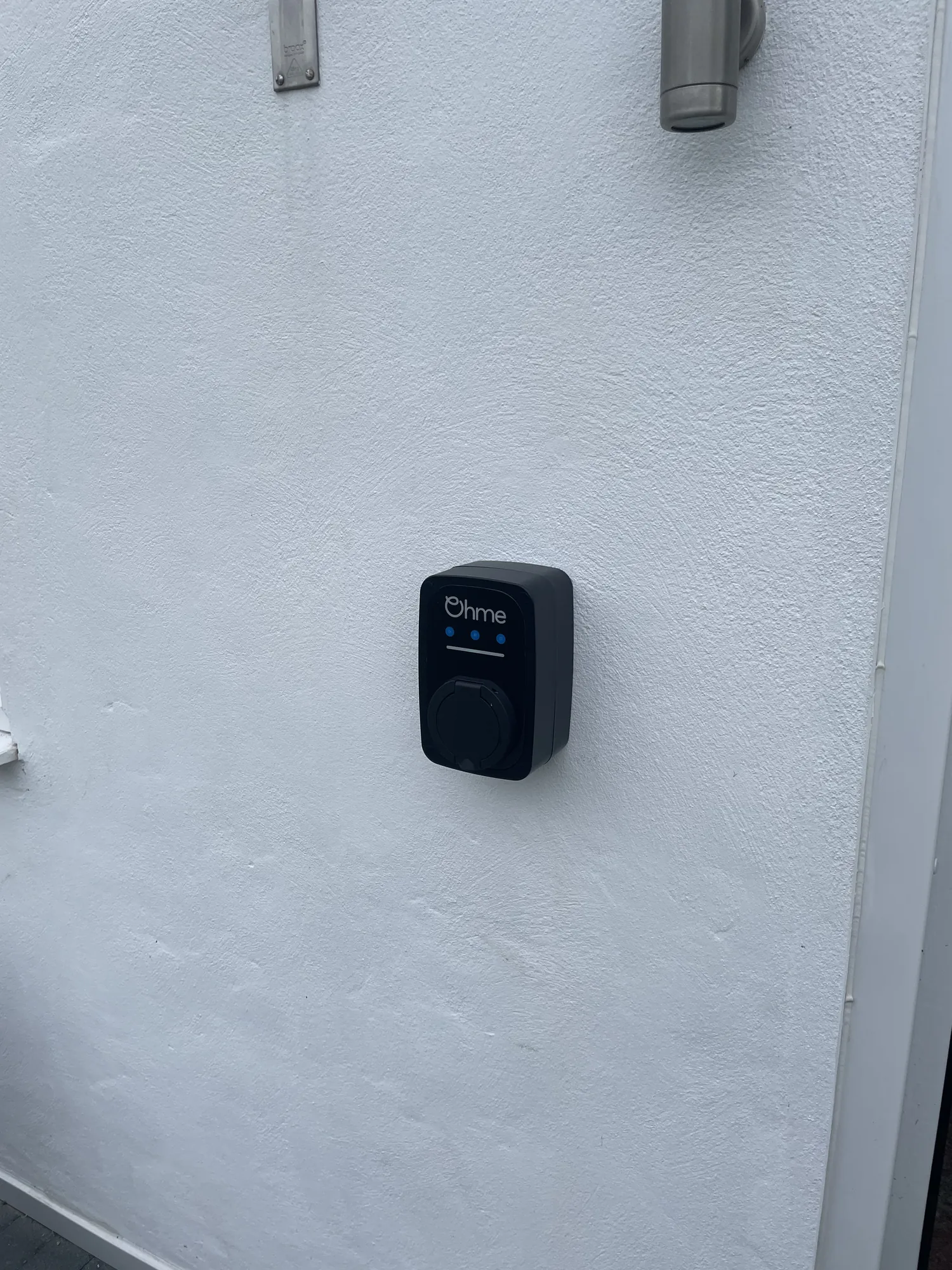
A home EV charger typically costs £995 to £1,895 supplied and fitted. Ohme and Hypervolt units work well with all energy providers and let you schedule charging around cheaper overnight rates. Pick the charger based on your car, the position of your parking space, and the cable route from your consumer unit, and always use a registered electrician who surveys the property first.
More drivers across Worthing and West Sussex are switching to electric, and a home charge point is the single biggest thing that makes living with an electric car easy. Fitted properly by a registered electrician, it turns your driveway into your own filling station. This guide walks you through why a home charger is worth having, how to pick the right unit, what it costs, and exactly what happens on installation day.
Why Install a Home Charge Point
You can technically top up an electric car from a normal three-pin socket, but a dedicated home charge point changes the whole experience. It is faster, safer, and far more convenient.
- Convenience: Plug in when you get home and unplug in the morning. No trips to a public charger, no queuing, no apps to fumble with in the rain.
- Cheaper overnight charging: A smart charger lets you charge on a cheaper overnight electricity tariff, which can cut the cost of a full charge dramatically compared with public rapid chargers.
- Always leaving with a full battery: You start every day with the range you need, so short trips and the daily commute never leave you worrying about charge.
- Adds value: A properly installed charge point is a genuine selling point. As more buyers switch to electric, a home charger makes your property more attractive.
Choosing the Right Charger
There are dozens of units on the market, but most homes come down to a handful of sensible choices. The main decisions are tethered versus untethered, the charging speed, and the smart features you want.
- Tethered vs untethered: A tethered charger has the cable permanently attached, so you just grab it and plug in. An untethered unit has a socket, and you use your own cable, which keeps the wall tidy and lets you swap cables if you change car. Both work well; it comes down to how you like to park and store the cable.
- 7kW is standard for home: A 7kW charger is the usual choice for a house on a single-phase supply. It will fully charge most cars overnight, which is all most drivers need.
- Smart features: A smart charger connects to an app so you can schedule charging, set limits, and track usage. This is what lets you line charging up with cheaper overnight tariffs.
- Ohme and Hypervolt: Ohme and Hypervolt are among the best for all energy providers, and both let you schedule charging around cheaper overnight tariffs. They are reliable, well supported, and easy to live with day to day.
The right unit for you depends on your car, where you park, and how the cable will run to the parking position. On our free survey we look at your driveway or parking spot and the neatest cable route, then recommend the charger that suits your setup rather than pushing one brand.
Book Your EV Charger Survey
Home EV charger installation is typically £995 to £1,895 supplied and fitted. Call AS Electrical And Renewables on 01903 415790 for a free survey and a fixed quote across Worthing and West Sussex.
Call to BookWhat Does Installation Cost
As a guide, home EV charger installation is usually between £995 and £1,895 supplied and fitted. The exact figure depends on the unit you choose and the cable route from your consumer unit to the parking space.
- The charger itself: Smart units like Ohme and Hypervolt sit at different price points depending on tethered or untethered and the features you want.
- The cable route: A short run from a consumer unit close to the parking space keeps costs down. Longer runs, going around or under the property, or routing across a driveway add to the work involved.
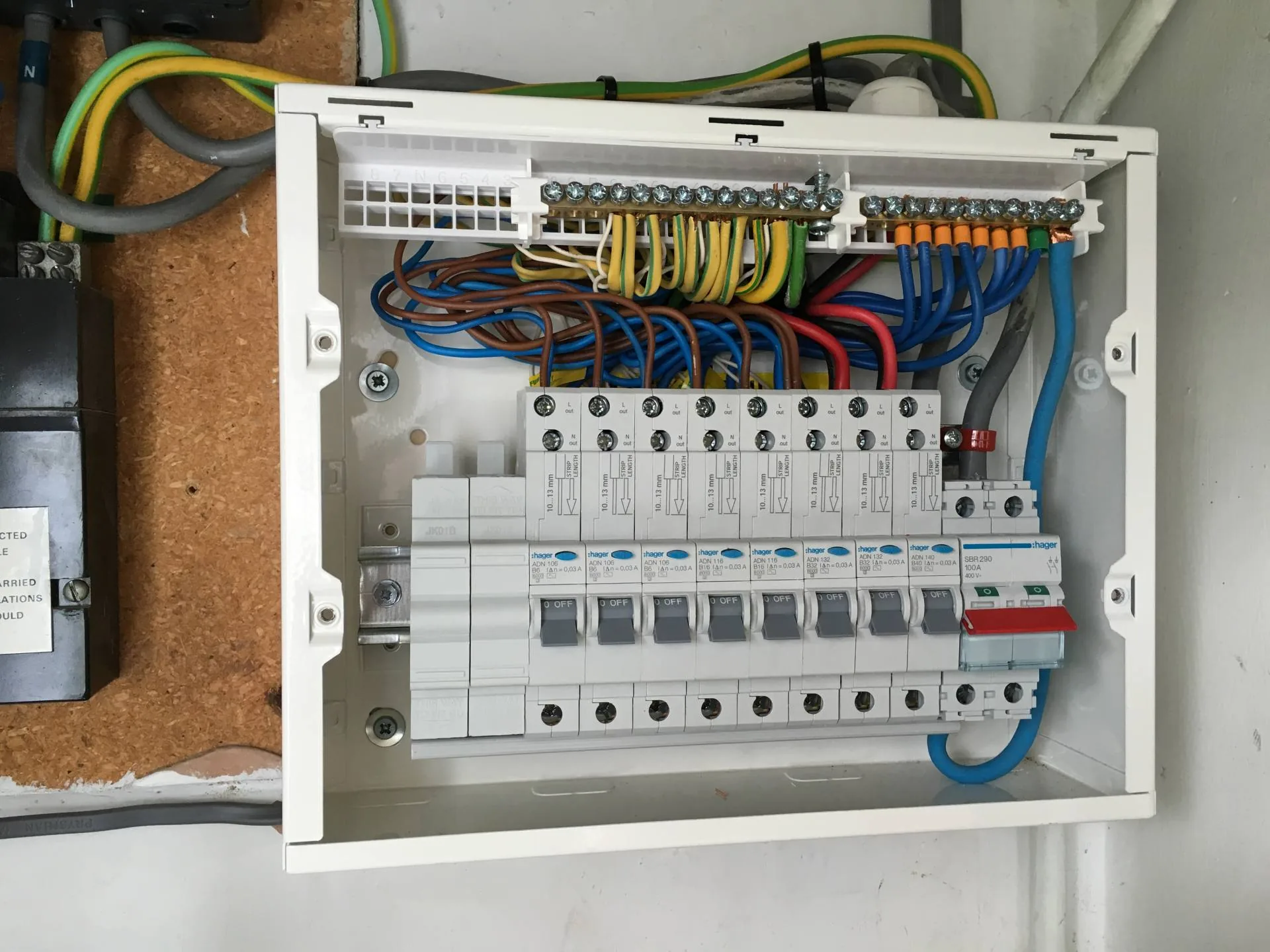
- Any board upgrades: Occasionally the consumer unit needs attention so it can safely take the extra load. We flag anything like this up front.
Every job starts with a free survey and a fixed quote, so you know the full price before any work begins. No hidden charges and no surprises on the day.
What the Installation Involves
A home charge point must be installed by a registered electrician. It is not a job for a general handyman. Here is what a proper installation looks like from start to finish.
- Survey the supply: We check your incoming supply and consumer unit to make sure everything is suitable for a charge point.
- Agree the position: We agree the neatest, most practical position for the unit so it is easy to use and tidy on the wall.
- Plan the cable run: We plan the route from the consumer unit to the parking space, keeping cable runs discreet and secure.
- Check the load: We confirm the board can take the additional load and carry out any work needed so the installation is safe.
- Fit and protect: We fit the unit with its own isolation and the protective devices the wiring regulations require.
- Test and hand over: We test the installation thoroughly, then show you how to use the charger and its app before we leave.
As a NAPIT registered electrical contractor, all of our work meets the required standards and is properly certified, so you can be confident it is safe and compliant.
Charging at Work and for Businesses
Home is not the only place a charge point makes sense. We also install workplace and commercial charge points for businesses that run electric vehicles or want to offer charging to staff and visitors.
- Workplace charging: Charge points in a staff car park let employees top up during the day and support a switch to an electric fleet.
- Commercial installations: From a single unit to several bays, we design an installation that suits how the site is used.
- Assessing the supply: Multiple chargers draw a lot more power, so we assess the supply carefully to make sure it can handle several units running at once, and advise on any upgrades needed.
Whether it is one charger for the office or a bank of units for a fleet, we survey the site, plan the supply, and install to the same standard as our domestic work.
Frequently Asked Questions
You can, but it is slow and not really designed for regular use. A three-pin socket trickles charge in and can take well over a day for a full battery. A dedicated 7kW charge point is far better, charging most cars overnight and doing so more safely and efficiently.
Most home installations take just a few hours. A straightforward job with a short cable route can be done in a morning or afternoon. Longer cable runs or extra work at the consumer unit can add a little time, and we will tell you what to expect at the survey.
Yes. A charge point needs its own means of isolation and the correct protective devices. We fit exactly what the wiring regulations require as part of every installation, so the charger is safe to use and properly certified.
Ohme and Hypervolt work with all energy providers and support smart tariffs, so you can schedule charging around cheaper overnight rates whoever supplies your electricity. We will help you pick the unit that suits your car and how you charge.
Yes. We install workplace and commercial charge points as well as home units. For businesses we assess the supply carefully to make sure it can handle multiple chargers, then design and install to suit how the site is used.