Landlords in England must have a valid EICR for each rental property, renewed at least every five years or at change of tenancy. An EICR inspects and tests the fixed wiring, consumer unit, circuits, and earthing, then reports any issues with a clear code. If remedial work is needed, a registered electrician should quote for it up front. Keeping EICRs current is a legal duty and protects tenants.
If you let out property in England, an EICR is one of the checks you cannot skip. It confirms the fixed electrics in the property are safe for your tenants, and it is now a legal requirement for the vast majority of rentals. At AS Electrical And Renewables we hold EICR testing contracts across a large portfolio of rental properties, so we know exactly what landlords and agents need to stay on the right side of the rules. This guide runs through what an EICR is, when you need one, what we check, and what the report actually tells you.
What Is an EICR
EICR stands for Electrical Installation Condition Report. It is a full inspection and test of the fixed electrical installation in a property, carried out by a qualified electrician. It is not a quick visual glance; it is a proper assessment of the parts of the electrics that stay with the building.
- Fixed wiring: the cabling running through walls, floors and ceilings that feeds every circuit in the property.
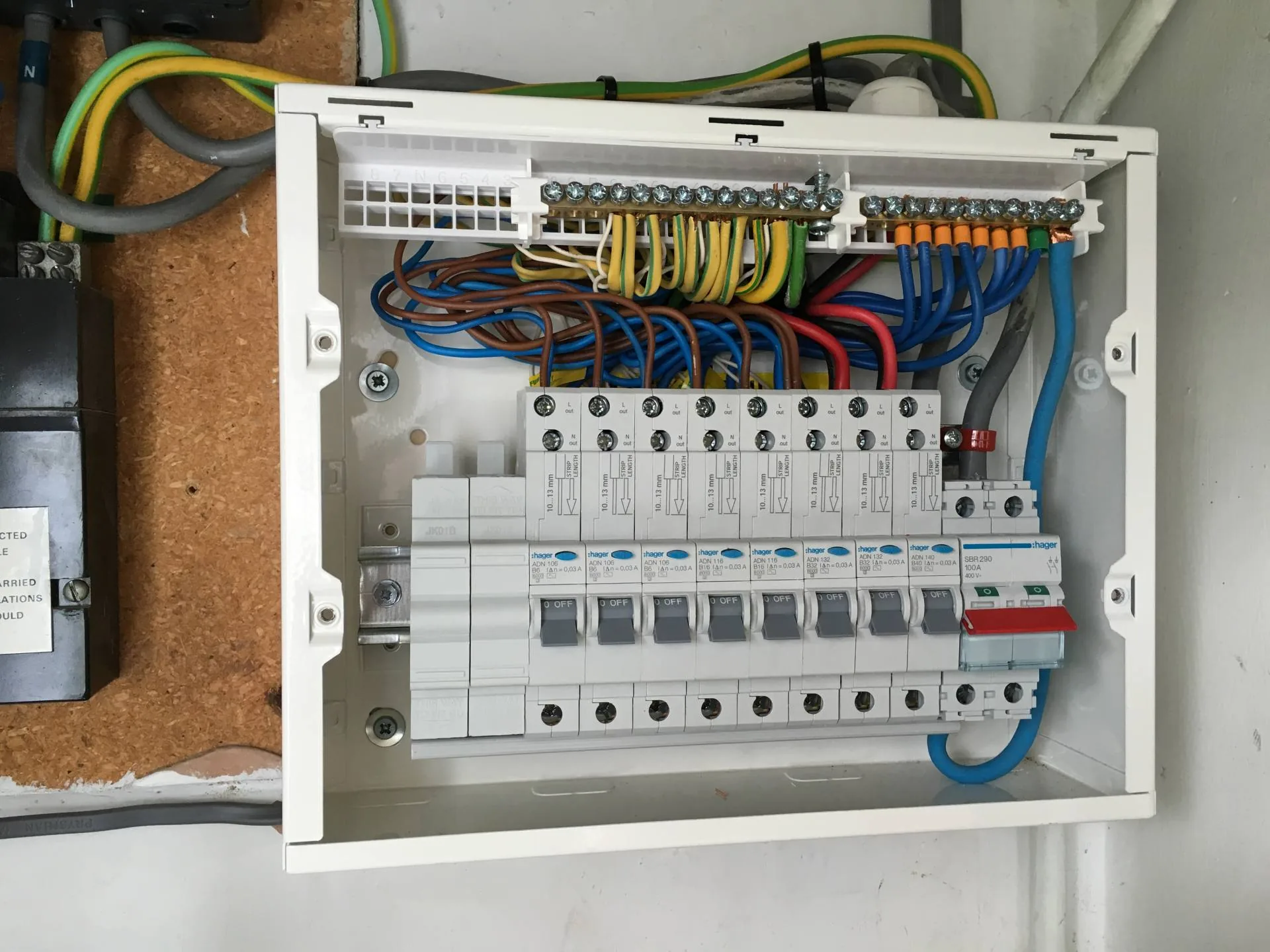
- Consumer unit: the fuse board where the supply comes in and splits out to the circuits, including its protective devices.
- Circuits: lighting, sockets, cooker, immersion and any other circuits are inspected and tested.
- Earthing and bonding: the safety connections that protect people from electric shock if a fault develops.
Once the inspection and testing are complete, you receive a written report. The report records the condition of the installation and lists any issues using a set of standard codes, so you can see clearly whether the installation is safe to stay in use or whether work is needed.
The Legal Duty for Landlords
Since 2020, landlords in England have had a legal duty to keep the electrical installations in their rental properties safe and to have them inspected and tested. Here is what that means in practice.
- A valid EICR is required: landlords must have a satisfactory EICR in place for rental properties covered by the regulations.
- Renewal timing: the report must be renewed at least every 5 years, or sooner if the previous report specifies, and it is good practice to test at a change of tenancy.
- Giving tenants a copy: you must provide a copy of the report to existing tenants, and to new tenants before they move in.
- Council requests: if the local authority asks to see the report, you must supply a copy within the required timescale.
- Fines: failing to comply can lead to significant financial penalties, so it is worth keeping your reports up to date and on file.
None of this needs to be stressful. With a report on file and a clear renewal date, staying compliant is straightforward, and we keep track of renewal dates for the portfolios we look after.
What Gets Checked
During an EICR we work methodically through the fixed installation. The main things we inspect and test are as follows.
- Fixed wiring: we check the condition of the cabling and look for damage, deterioration, overloading or unsafe alterations.
- Consumer unit or fuse board: we inspect the board itself and confirm the protective devices are the correct type and in good order.
- Sockets and switches: these are checked for damage, wear, correct wiring and signs of overheating.
- Earthing and bonding: we confirm the earthing arrangement and main bonding are present and adequate to protect against shock.
- Condition of accessories: light fittings, connections and other accessories are assessed for safety and condition.
It is worth knowing the difference between an EICR and PAT testing. An EICR covers the fixed installation, the parts wired into the building. PAT testing, or portable appliance testing, covers plug-in items such as kettles, fridges and lamps. They are two separate checks. We offer both, so if you need portable appliances tested alongside the fixed wiring we can handle it in one visit.
Book Your Landlord EICR
Keep your properties compliant across West Sussex. Call AS Electrical And Renewables on 01903 415790 to arrange your inspection.
Call to BookUnderstanding the Report Codes
The EICR uses a small set of codes to describe anything found during the inspection. Knowing what they mean makes the report much easier to read.
- C1 (danger present): a risk of injury is present and immediate action is required. This is the most serious code and needs sorting straight away.
- C2 (potentially dangerous): the fault is not an immediate danger but could become one, so remedial work is needed to make it safe.
- C3 (improvement recommended): the installation is not unsafe, but an improvement is recommended to bring it up to a better standard.
- FI (further investigation): something needs closer investigation to establish whether there is an underlying issue.
A report that contains any C1 or C2 items, or an FI, is classed as unsatisfactory, which means remedial work is required before it counts as a valid, satisfactory EICR. A report with only C3 items is still classed as satisfactory, though it is sensible to consider the recommended improvements.
What Happens If Work Is Needed
If the report comes back unsatisfactory, there is no need to panic. It simply means some remedial work is required, and we make that part as simple as possible.
- A fixed quote up front: we give you a clear, fixed price for any remedial work before we start, so there are no surprises.
- No pressure: we explain what needs doing and why, and leave the decision with you. There is no hard sell.
- Your certificate: once the work is complete and the installation is satisfactory, you receive your EICR certificate confirming compliance.
- Portfolios kept compliant: we keep landlords and estate agents compliant across their portfolios, tracking renewals and handling testing and remedial work property by property.
Because we already manage EICR testing across a large portfolio of rental properties, we are used to turning reports around promptly and keeping everything documented for you and your agents.
Frequently Asked Questions
At least every 5 years, or sooner if the previous report specifies a shorter interval. It is also good practice to have one carried out at a change of tenancy so each new tenant moves into a property with safe, tested electrics.
Usually a few hours, depending on the size of the property and the number of circuits. A small flat is quicker, while a larger house with more circuits takes longer. We will give you a realistic idea when we book the visit in.
Not necessarily, but we do need access to the consumer unit and all the circuits in the property. If the property is tenanted, tenants should be given proper notice so we can get in on the day. Many landlords arrange access directly with their tenants or through their agent.
An EICR tests the fixed wiring, the electrics built into the property. PAT testing checks portable appliances that plug in, such as kettles, lamps and fridges. They are separate checks, and we offer both, so we can cover the fixed installation and portable items together if you need it.
Yes. If the report finds anything that needs putting right, we give you a fixed quote up front for the remedial work. Once you are happy and the work is done, we confirm the installation is satisfactory and issue your certificate.
Yes. We already hold EICR testing contracts across many rental properties and work with landlords and estate agents to keep whole portfolios compliant. If you manage a block or a number of properties, we can schedule testing and keep track of renewal dates for you.